
For many entrepreneurs, starting a company requires years of sacrifice, long working hours, financial risk, and personal commitment. Building the business can become such a consuming priority that relatively little…
Read More...


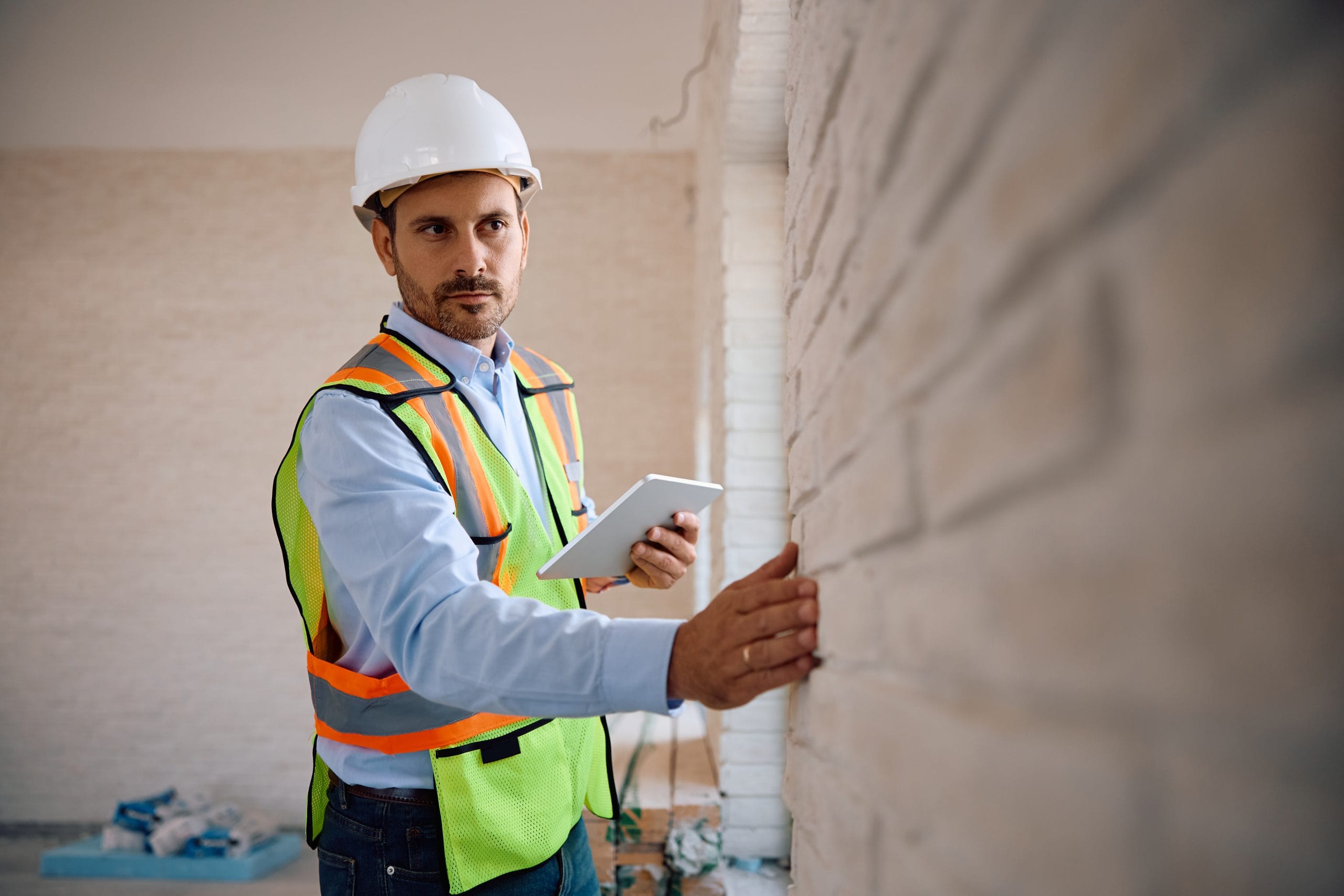


Buying a newly constructed home once carried a fairly simple assumption: because the house was new, everything should work properly. The roof was new, the plumbing was new, the electrical system was new, and the foundation had only recently been poured. For many buyers, that made an independent inspection seem less important than it would be when purchasing a house that had already been occupied for decades.
That thinking is changing. Homebuyers are becoming much more interested in having newly constructed houses independently inspected, creating growing opportunities for inspectors who understand new construction and Construction Defect issues. The demand is being influenced by higher buyer expectations, expensive homes, tighter construction schedules, complex building systems, subcontractor coordination, and the simple reality that a new house can still contain mistakes.
Construction quality has also become far more visible to consumers. Homeowners and inspectors routinely share findings through social media, while news reports and real estate publications have discussed disputes involving roofing, moisture intrusion, foundations, drainage, ventilation, plumbing, and other alleged defects. Builders generally maintain extensive quality control procedures, but the growing visibility of construction problems is making more buyers interested in obtaining an independent opinion before accepting a completed property.
One reason Construction Defect inspections are gaining attention is that consumers increasingly understand the distinction between new and perfect. A house may contain entirely new materials and equipment, but it is still a complicated construction project assembled by many different people over an extended period.
Excavation crews prepare the site. Concrete contractors handle foundations and slabs. Framers construct walls and roof systems. Other contractors install electrical wiring, plumbing, heating and cooling equipment, insulation, roofing, drywall, cabinets, flooring, windows, doors, appliances, and finishes. Even a highly regarded builder may rely on numerous trades and subcontractors to complete a single house.
Those contractors can be working on several properties at the same time. Work is completed in stages, sometimes under significant schedule pressure and sometimes before another contractor arrives to cover or complete what was previously installed. Mistakes can occur without anyone intentionally cutting corners.
A pipe connection can leak. Flashing can be installed incorrectly. Insulation can be missing from an area that is difficult to reach. A window can be improperly sealed. An electrical outlet can be wired incorrectly. Roof components may have installation problems. Drainage around the property may direct water toward the structure instead of away from it. Some issues are cosmetic, while others can become expensive when they remain unnoticed.
That creates a strong argument for another set of trained eyes before the buyer accepts the house.
Inspecting new construction is not necessarily the same business as performing a traditional inspection on an older home. New construction gives an inspector the opportunity to observe a property at stages that are no longer accessible once walls, ceilings, flooring, and finishes are installed.
Organizations such as the International Association of Certified Home Inspectors provide education and resources for home inspectors, including information involving inspections performed during different stages of construction. This type of training can help inspectors understand what should be examined before major components of a home are concealed.
Once drywall is installed, buyers can no longer easily observe framing, portions of plumbing systems, electrical wiring, insulation, fasteners, structural connections, and many other components concealed inside walls. A predrywall inspection gives an inspector an opportunity to look at portions of the house while much of the construction remains visible.
A later inspection can focus on completed systems, finishes, appliances, roofing, drainage, electrical components, plumbing fixtures, heating and cooling equipment, doors, windows, and other accessible areas. For inspection businesses, this creates the possibility of providing more than a single service at closing. A customer building a home might use the same inspection company multiple times during the construction process.
Some buyers question the need for an independent inspection because local building officials already inspect construction. That overlooks an important distinction between the role of government building inspections and the role of an inspector hired directly by the buyer.
Building departments perform an essential public function by reviewing construction according to applicable codes, permits, and required inspection procedures. The International Code Council develops model building codes used extensively throughout the United States and provides information regarding the role that building code inspections play in construction safety.
An independent inspector, however, is generally working for the buyer. Depending on the scope of the inspection, that professional may identify workmanship concerns, incomplete items, visible defects, operational problems, drainage conditions, installation issues, or components that deserve additional evaluation by a specialized contractor or engineer.
The two forms of inspection therefore should not automatically be viewed as substitutes for each other. From an entrepreneurial perspective, educating consumers about that distinction may represent one of the larger marketing opportunities available to inspection businesses serving new home buyers.
Consumers are understandably more sensitive to defects when making one of the largest purchases of their lives. A buyer purchasing a new home may be investing hundreds of thousands of dollars before considering furniture, landscaping, insurance, maintenance, upgrades, and moving expenses. At that level of investment, the cost of an independent inspection may appear relatively modest.
There is also a psychological component. People buying an older house generally expect some imperfections. They know that an aging heating and cooling system may eventually need replacement or that an older roof will require maintenance. The expectations surrounding new construction are considerably different.
Someone buying a newly built home expects new systems, new materials, and professional workmanship. A leaking fixture, improperly installed roof component, missing insulation, drainage issue, or electrical problem can therefore generate considerably more frustration than the same issue might create in an older property.
Buyers also increasingly want documentation showing the condition of the home before they close or before an applicable builder warranty period expires. That documentation can have real economic value if questions arise later concerning when a particular condition became visible.
Timing matters tremendously with Construction Defect issues. A problem that is relatively simple to correct while the house is being built can become far more complicated after the property is finished and occupied.
Consider a plumbing connection behind a wall. Identifying a problem before drywall installation might require correcting a fitting or repositioning a pipe. Finding the same problem months after occupancy could involve opening a wall, repairing water damage, replacing drywall, repainting the area, and potentially addressing damaged flooring, cabinetry, or personal property.
The same principle can apply to flashing, roofing, insulation, drainage, framing, ventilation, and other building components. Problems discovered early may be easier for contractors to reach and correct because the surrounding construction has not yet been completed.
This is one reason inspections performed at multiple construction stages can represent an attractive service model. Rather than relying exclusively on an inspection shortly before closing, the inspector becomes involved while the house is still being built. The business proposition is straightforward: identify visible concerns at a point when corrective work may be easier and less disruptive.
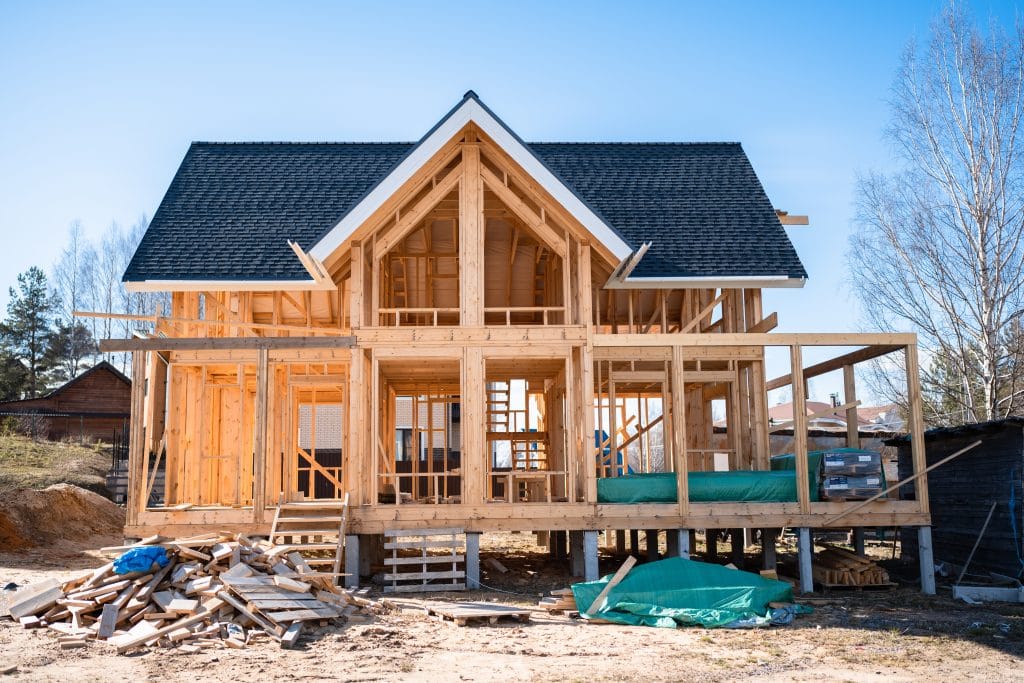
The modern home inspector can carry considerably more technology than inspectors of earlier generations. Digital reporting platforms have made it easier to produce detailed reports containing photographs, descriptions, recommendations, and categorized findings that can be reviewed by buyers, builders, and other professionals.
Thermal imaging cameras can provide additional information under appropriate circumstances. Moisture meters can help an inspector investigate suspicious areas. Drones may assist with observing certain roofs or exterior components that would otherwise be difficult or unsafe to access, subject to applicable rules and inspection practices.
Companies such as Spectora have developed software specifically for home inspection reporting and business management. Technology of this type allows inspection companies to organize findings, create professional reports, schedule appointments, communicate with customers, and manage other portions of the inspection business.
Technology can also improve communication. A buyer does not necessarily want a lengthy document filled with technical terminology and little explanation. Valuable inspectors are often those who can distinguish between a minor adjustment, an item that should be corrected, and a condition that may justify further evaluation by an engineer or specialized contractor.
That communication ability can become a competitive advantage as more companies enter the Construction Defect inspection market.
Construction defects were once largely private matters involving a homeowner, builder, inspector, contractor, insurer, or attorney. Social media has changed that dynamic dramatically.
Inspectors now publish videos showing unusual conditions discovered during inspections. Some posts demonstrate missing insulation, roofing problems, questionable framing, leaks, improperly installed fixtures, drainage concerns, unfinished work, or components that do not appear to have been installed correctly.
These videos can attract substantial attention because viewers are often surprised to see problems inside houses that have never been occupied. A prospective buyer who watches an inspector identify numerous issues in a newly built property may begin questioning the assumption that a new home does not require an independent inspection.
For inspection companies, this represents an unusual form of content marketing. Educational videos can demonstrate expertise without relying on aggressive advertising. The strongest content does not necessarily criticize a particular builder. It can simply show consumers what professional inspectors examine and explain why those observations may matter.
The growth of Construction Defect inspection services should not automatically be viewed as an adversarial development for builders. Reputable builders have strong financial and operational reasons to identify problems before the customer moves into the property.
Warranty repairs cost money. Sending contractors back to an occupied house costs money. Customer complaints consume management time. Negative online reviews can influence future buyers. More serious disputes can involve engineers, consultants, insurers, attorneys, and litigation.
Finding a problem before the homeowner takes possession can be considerably easier than coordinating repairs after a family has moved into the property. This creates potential opportunities for inspection and consulting companies to provide quality control services directly to builders, developers, investors, and construction managers rather than limiting their services to individual homebuyers.
A growing inspection company could potentially serve several parts of the construction industry while carefully defining its responsibilities and avoiding conflicts of interest. The broader opportunity may therefore extend beyond traditional home inspection and into construction quality documentation and consulting.
The inspection opportunity does not necessarily end when the buyer receives the keys. Many builders provide limited warranties covering certain construction issues, which can create another logical time for a homeowner to have the property inspected.
An inspector returning months after occupancy may observe conditions that were not visible or apparent during the original inspection. Water has had time to move through plumbing systems. Rain has tested exterior components. Heating and cooling equipment has operated for an extended period. Doors and finishes may have moved as building materials adjusted. Drainage patterns may also become easier to evaluate after the property experiences normal weather.
For an inspection company, a warranty inspection can create a natural repeat customer relationship. Instead of acquiring a client for one transaction, the business may be able to provide predrywall, final, and warranty inspections during the buyers first stages of homeownership.
That can significantly change the economics of customer acquisition. The company spends time and money attracting one customer but may generate revenue from several inspection appointments associated with the same property.
Entrepreneurs looking at the inspection industry should recognize that specialization can matter. A company does not necessarily need to compete with every general home inspector in its market.
One business might focus on luxury homes. Another could specialize in large communities developed by production builders. A company operating in a region with frequent hurricanes and heavy rainfall might develop deeper expertise involving roofs, exterior openings, water intrusion, drainage, and moisture related concerns.
Another business could establish referral relationships with real estate professionals, engineers, construction attorneys, insurance professionals, property managers, or homeowner associations. Inspectors with previous backgrounds in construction management, engineering, roofing, heating and cooling, plumbing, electrical work, or building science may also be able to position their experience as part of a specialized service.
Not every inspector needs to serve every market. A company that becomes known specifically for new construction inspections may communicate a much clearer message than a business attempting to promote dozens of unrelated property services.
That specialization can influence branding, advertising, referral relationships, training, equipment purchases, pricing, and the type of employees or independent professionals the company eventually recruits.
Growing demand will inevitably attract additional inspection companies. That makes professional reputation particularly important.
Construction Defect inspections can involve expensive properties and potentially contentious findings. Inspectors need to document what they observe carefully, remain within the scope of their qualifications, avoid exaggeration, and clearly communicate when another specialist should evaluate a condition.
Professionalism is especially important because an inspection report may eventually be reviewed by a builder, contractor, engineer, insurer, attorney, or another party. The report needs to communicate observations in a way that can be understood by people who were not present during the inspection.
An inspector who treats every minor imperfection as a major emergency may eventually lose credibility. An inspector who overlooks significant problems faces a different type of business risk. Strong inspection companies can separate themselves by building reputations around careful observation, useful documentation, independence, technical knowledge, and understandable communication.
Home Construction Defect inspections reflect a larger change in how consumers approach newly built houses. Buyers are becoming less willing to assume that new construction automatically means flawless construction, particularly when so much money is involved in purchasing and maintaining a home.
That creates an expanding business opportunity for professional inspectors capable of examining homes during construction, before closing, and again during applicable warranty periods. It can also create opportunities for software companies, training organizations, consultants, engineers, specialized contractors, and other businesses supporting the inspection process.
Builders and buyers ultimately share an important interest because construction problems are generally easier to address when they are discovered early. As more consumers recognize that reality, independent inspections of newly built homes may move from being viewed as an optional precaution to becoming a more routine part of purchasing a new property.
For entrepreneurs, that shift is worth watching. Construction Defect inspection is increasingly developing into a specialized service category built around quality control, documentation, technology, professional expertise, and the growing expectation that buyers should obtain an independent assessment of what may be the largest purchase they ever make.