
Commercial landscaping was once viewed primarily as a maintenance service. Property owners hired contractors to mow lawns, trim hedges, remove weeds, and keep outdoor areas presentable. Although those responsibilities remain…
Read More...


Soft-serve ice cream used to be synonymous with simplicity—fast, affordable, and often associated with roadside stands or mall food courts. But in recent years, a quiet shift has been underway. Soft-serve franchises are no longer just satisfying cravings with swirl cones and rainbow sprinkles. Instead, they are evolving—upping their game to compete with artisan and premium dessert brands that once dominated the high ground of flavor complexity, storytelling, and price point.
The modern soft-serve franchise is rewriting the rules of frozen dessert retail. With strategic branding, product experimentation, and better customer experiences, they are proving that fast and fun does not have to mean generic or low-quality. This evolution is not just changing how consumers see soft-serve—it’s influencing how new food businesses are modeling growth in competitive spaces.
One of the biggest hurdles for soft-serve brands has been perception. For years, consumers associated soft-serve with artificial flavors, limited customization, and lower-quality ingredients. Meanwhile, brands like Salt & Straw or Van Leeuwen built cult followings around slow-churned, small-batch pints with rich origin stories.
To compete in this new dessert economy, soft-serve franchises needed to change the conversation. That meant doing more than tweaking recipes—it required a shift in identity. Franchises like 16 Handles and SweetFrog began emphasizing sourcing, offering dairy-free options, and embracing limited-time flavors. The result: a stronger emotional connection with consumers who value both taste and values.
Soft-serve chains have begun adopting tactics that were once reserved for high-end dessert boutiques. Seasonal collaborations, local ingredient tie-ins, and socially conscious campaigns are now common tools in their marketing playbook.
Take Menchie’s, for instance. Their focus on customization goes beyond toppings. They experiment with new base flavors regularly, including health-forward choices like low-sugar, plant-based, and even functional varieties (think probiotics or added vitamins). By behaving more like an innovative start-up than a traditional franchise, they stay culturally relevant and appealing to the modern consumer.
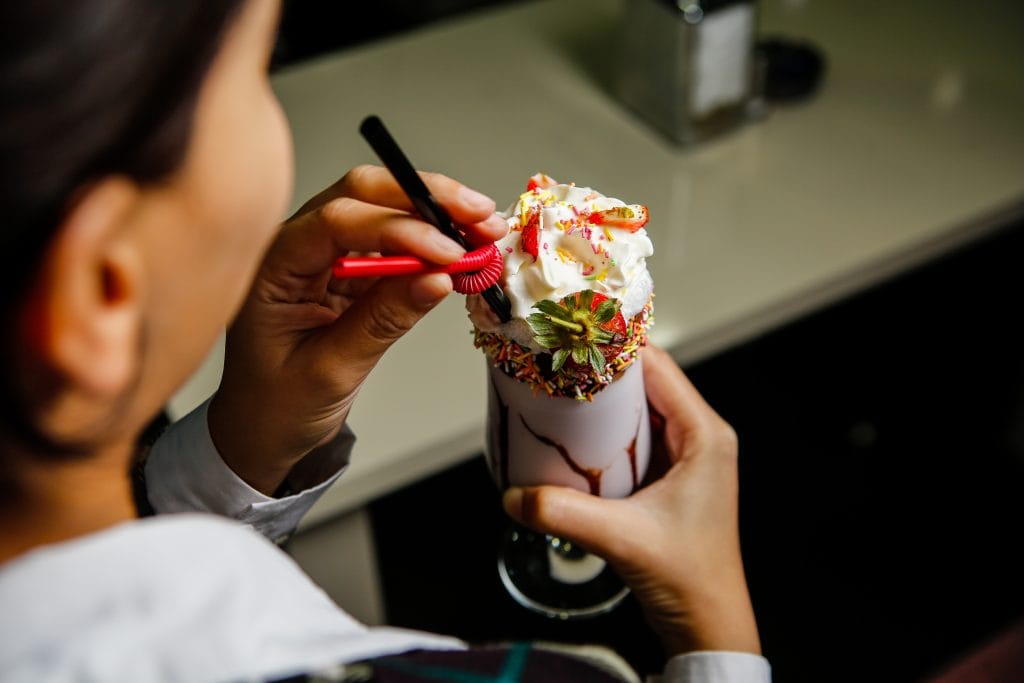
Premium dessert brands have long relied on storytelling and ambience to justify their pricing and stand apart. Soft-serve franchises are catching on. Aesthetic revamps, community involvement, and digital engagement have all become part of the toolkit.
Many locations are redesigning interiors to feel more like lounges or cafes than standard QSR settings. The result is a more immersive in-store experience that resonates with younger audiences and supports social media sharing. Yogurtland, for instance, revamped its visual identity with brighter palettes, simplified typography, and digital loyalty integration to create an ecosystem that feels modern rather than mass-produced.
This attention to branding extends into packaging, signage, and mobile experiences. Franchises are leveraging customer data to offer app-based ordering, flavor tracking, and real-time feedback channels—tools once seen only in tech-forward startups or larger chains.
Another significant shift involves the quality and transparency of ingredients. Consumers have become more conscious about what they consume, pushing food brands to respond with cleaner labels and more openness about sourcing.
Soft-serve franchises are investing in higher-quality dairy, organic options, and sugar alternatives to meet these expectations. Some, like Pressed, which originated as a juice bar, now offer soft-serve that uses just a handful of natural ingredients. Their focus on health and simplicity has allowed them to enter the soft-serve space with an entirely different reputation—one that positions their offerings as a guilt-free indulgence rather than a processed treat.
Even traditional players are reformulating recipes to meet this standard. It’s no longer unusual to see terms like “rBST-free,” “non-GMO,” or “vegan-certified” on signage at soft-serve counters.
One edge that soft-serve franchises will always have over premium scoop shops is speed and affordability. What is changing is how those advantages are being paired with product depth. This is not a race to the bottom in pricing but rather a broadening of appeal across demographics.
By keeping base products cost-friendly while offering premium toppings or specialty cones as upsells, franchises strike a balance. Customers can still grab a basic vanilla cup for under $5, but those looking for something trendier—like ube-taro twist in a waffle taco—have those options too. This tiered approach opens the door to broader customer segments without alienating price-conscious families.
Soft-serve’s resurgence is not just happening at the flavor level—it is expanding in physical format too. Franchises are increasingly launching micro-locations inside food halls, airports, and co-retail spaces. These smaller footprint stores reduce overhead and give brands access to high-traffic environments without the full investment of a standalone shop.
Companies like Cauldron Ice Cream, originally known for their nitrogen-churned treats, have been experimenting with kiosk models and shared kitchens to reach new markets faster. These formats allow rapid brand testing while giving franchisees more flexible options for growth.
At the same time, soft-serve is also appearing in nontraditional venues like gyms, movie theaters, and even luxury car showrooms, offering a new channel of revenue and exposure.
Digital loyalty programs, customer-facing apps, and real-time feedback tools are no longer just “nice to have.” Soft-serve franchises that invest in tech are better positioned to keep customers coming back.
TCBY, one of the earliest frozen yogurt franchises, has stayed relevant in part by adapting digitally. Their mobile app allows for easy reordering, rewards tracking, and even access to exclusive flavors for loyalty members. The data they collect fuels more personalized marketing and helps refine product strategy.
Tech also plays a role in menu development. Using customer analytics, some franchises track flavor popularity by location and season, adjusting offerings accordingly to minimize waste and maximize interest.
Collaborations with well-known brands—whether snack, fashion, or entertainment—offer soft-serve franchises the opportunity to tap into larger cultural conversations. Limited-time offerings like churro-flavored soft-serve with Cinnamon Toast Crunch branding or co-branded flavors with pop culture licenses (TV shows, movies, etc.) create urgency and boost visibility.
These marketing tactics help franchises remain relevant without relying solely on discounts or traditional advertising. They offer a way to generate free PR and user-generated content, especially when timed with events like a product launch or seasonal celebration.
Soft-serve franchises are carving out a unique and competitive space by rethinking everything from flavor development to store design. They are proving that affordability and fast service do not have to come at the expense of quality or creativity. By embracing elements that once set premium brands apart—storytelling, health-forward ingredients, design, and digital loyalty—they are repositioning themselves as modern dessert destinations.
For entrepreneurs and professionals looking to enter or expand in the food space, soft-serve may no longer be a low-tier concept. It is becoming a smart, adaptable, and trend-driven category with room for both mass appeal and high-margin innovation.
Whether launching a franchise, investing in the sector, or simply paying attention to evolving consumer tastes, the rise of the next-gen soft-serve business is worth watching.