
For decades, the annual performance review has been one of the most familiar rituals in the workplace. Employees sit down with a supervisor, discuss accomplishments and shortcomings from the previous…
Read More...


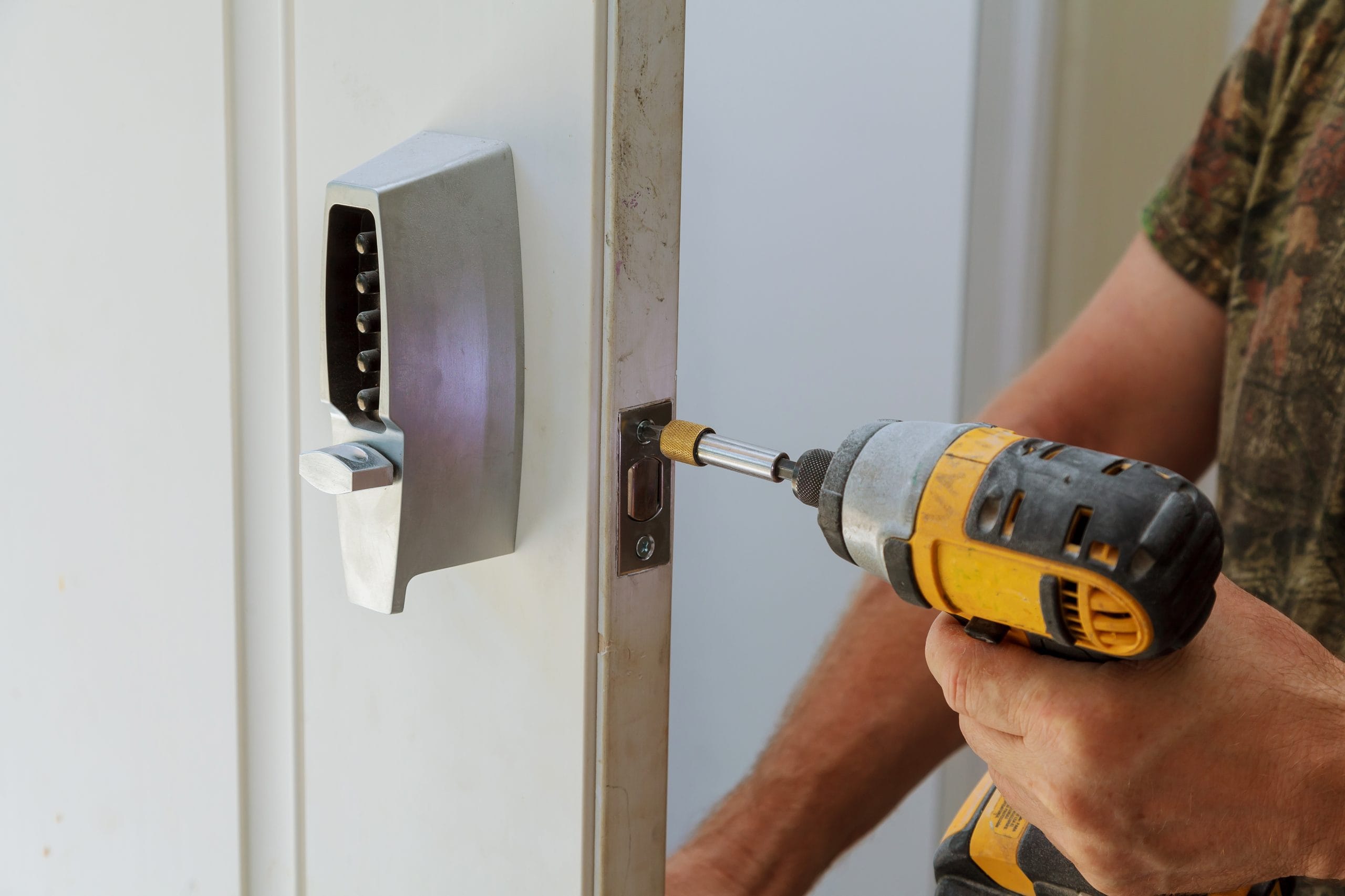


The familiar image of a locksmith arriving with a ring of keys, a pick set, and a few replacement cylinders is becoming incomplete. Mechanical lock work remains an important part of the profession, but the modern security market is rapidly expanding beyond keys and deadbolts. Today, locksmiths may install electronic access systems, configure mobile credentials, connect locks to cloud platforms, program automotive key systems, troubleshoot wireless devices, and advise businesses about the security risks created by connected equipment.
That transformation has important implications for entrepreneurs. A locksmith company is no longer limited to earning revenue from emergency lockouts, key duplication, and hardware installation. It can become a technology centered security business that combines field service, software configuration, consulting, maintenance, and long term customer support.
The opportunity is especially significant because customers increasingly want access to be convenient, measurable, remotely manageable, and connected to other business systems. A company may still need a strong lock on its front door, but it may also want to know who entered, when the door opened, whether a former employee’s credentials were disabled, and how access permissions can be changed without replacing physical keys.
Traditional locksmith services are not disappearing. Homes, vehicles, warehouses, offices, and retail locations will continue to need keys, cylinders, deadbolts, safes, door hardware, and emergency entry services. What is changing is the range of services customers expect from the same provider.
A commercial customer may begin by asking a locksmith to rekey several doors. During the conversation, the locksmith may discover that the company struggles with lost keys, employee turnover, restricted areas, and after hours access. A conventional solution would involve issuing another set of keys and replacing cylinders whenever access needs change. A technology oriented locksmith can propose electronic credentials, audit trails, timed access permissions, remote administration, and centralized control.
That difference changes the economic value of the engagement. Rekeying a door is generally a single transaction. Managing an access control environment can create installation revenue, training fees, ongoing technical support, hardware replacement work, software administration, and future expansion opportunities.
Large access companies already reflect this broader definition of security. ASSA ABLOY offers mechanical and digital locks, mobile access, biometric technology, automated entrances, identification management, and access control systems. The industry is no longer divided neatly between traditional locks and technology. The two are increasingly part of the same security environment.
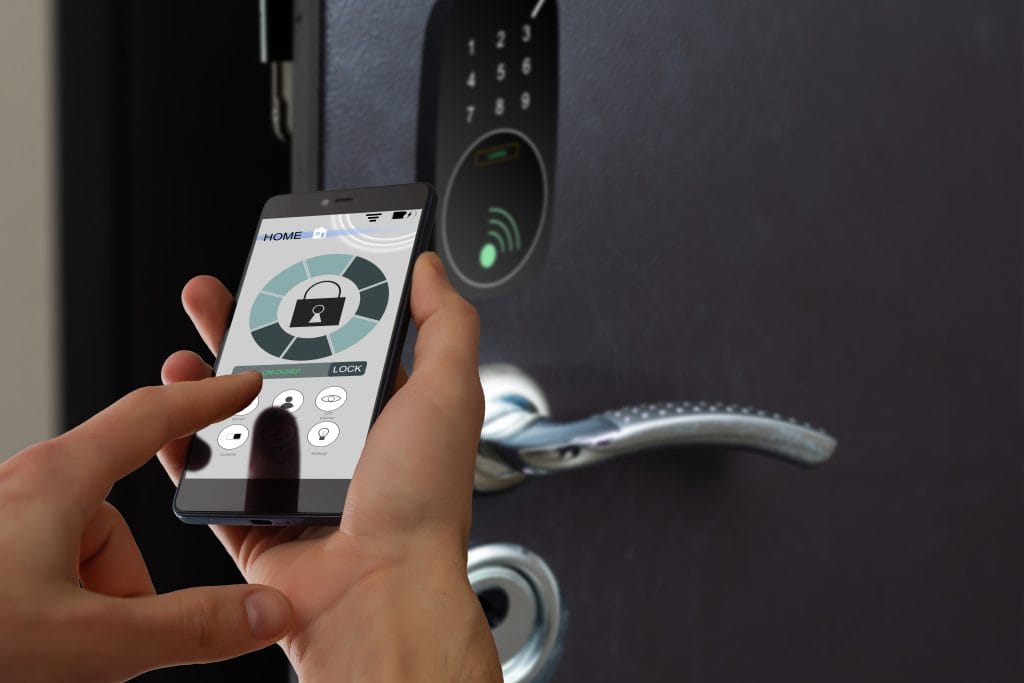
One of the most visible changes involves mobile credentials. A smartphone or wearable device can now function as a digital key for homes, offices, hotels, apartment buildings, and other controlled locations. Instead of distributing a metal key, an administrator can issue a credential electronically and later modify or cancel it.
This flexibility creates practical value for property managers, employers, contractors, hospitality companies, and shared workspaces. A property manager can give a maintenance worker access during a limited time window. A business can remove a departing employee’s credentials without collecting a key or replacing a lock. A hotel can provide room access through a guest’s phone. A company can create different permissions for executives, vendors, cleaning crews, and temporary workers.
Technology standards designed to improve compatibility may accelerate this transition. Digital access standards are being developed to help mobile credentials work across different smartphones, operating systems, and security products. Supported technologies can include near field communication and ultra wideband communication, allowing users to tap a device or approach a compatible lock without opening a separate application.
For locksmiths, this means product knowledge must extend beyond the physical dimensions of a lock. A technician may need to understand smartphones, wireless communication, credential enrollment, account permissions, software updates, device compatibility, and network requirements. The physical installation may be only one part of the project.
Emergency locksmith work can generate valuable revenue, but it is unpredictable. Customers usually call because they have an immediate problem, and the relationship may end once that problem is solved. Electronic access control gives locksmiths an opportunity to build longer customer relationships.
A growing company may initially install access control on one exterior door. It may later add interior offices, inventory rooms, server rooms, gates, elevators, or additional locations. The customer may need new credentials, employee training, replacement readers, system updates, reporting assistance, or integration with surveillance and alarm systems.
These services can support recurring revenue rather than relying entirely on individual service calls. A locksmith business may offer maintenance plans, scheduled inspections, credential administration, battery replacement, software support, system health checks, and priority response agreements.
Recurring service also makes revenue more predictable. Instead of starting every month with an empty calendar, the company enters the month with established customer relationships and contracted responsibilities. That predictability can help with hiring, inventory planning, vehicle purchases, training budgets, and expansion into additional territories.
It also strengthens customer retention. Replacing a locksmith who duplicated a key is relatively easy. Replacing a provider that understands a building’s doors, users, credentials, software, hardware history, and security policies is considerably more difficult.
Connected locks create capabilities that mechanical locks cannot provide, but they also create new risks. A device that communicates through Bluetooth, WiFi, a mobile application, or a cloud service must be evaluated as both physical hardware and information technology.
Modern locksmiths do not need to become full time cybersecurity engineers. They do, however, need enough technical knowledge to recognize weak configurations and avoid creating preventable vulnerabilities. Default passwords, shared administrator accounts, outdated firmware, poorly protected mobile devices, and excessive access permissions can weaken an otherwise strong installation.
Biometric systems introduce additional considerations. Fingerprints, facial recognition, and palm based identification may be convenient, but biometric information cannot be replaced as easily as a password. Connected biometric devices can create risks that extend beyond unauthorized entry if sensitive identity information is collected or stored without appropriate protections.
A responsible locksmith should therefore ask more than whether a smart lock fits the door. The provider should consider how credentials are stored, how administrators are authenticated, how software updates are handled, what happens during a power or network failure, and how access is removed when a user leaves.
This creates room for security assessments as a professional service. A locksmith can review existing doors, hardware, access policies, credential procedures, and connected devices, then identify weaknesses before recommending upgrades. That consultative role may be more valuable than the installation itself.
The automotive side of locksmithing demonstrates how dramatically the profession can change. Cutting a metal car key is no longer sufficient for many vehicles. Modern keys may contain transponders, proximity technology, remote functions, and encrypted communication that must be programmed to a vehicle.
Automotive locksmiths frequently invest in diagnostic devices, key programming equipment, software subscriptions, vehicle databases, adapters, and continuing education. Technicians must keep up with different manufacturers, model years, security protocols, and programming procedures.
This creates a meaningful barrier to entry. A person may be able to purchase basic lock tools, but equipment alone does not create competence. The value comes from knowing which procedure applies, how to perform it safely, how to verify ownership, and how to avoid damaging a vehicle’s electronic systems.
The same pattern is moving into residential and commercial work. As security products become more connected, customers will place greater value on trained providers who can diagnose both hardware and software problems.
The technology transformation is also occurring behind the scenes. A locksmith company can use digital platforms to schedule appointments, dispatch technicians, create estimates, send arrival notifications, collect payments, store customer histories, and request reviews.
Platforms such as Jobber offer quoting, scheduling, invoicing, customer management, online booking, and payment tools for field service businesses, including locksmiths. Housecall Pro provides tools for dispatching, appointment management, invoicing, customer communication, and route coordination.
These systems can change how professional a small locksmith operation appears. Customers may receive appointment confirmations, technician arrival messages, digital estimates, itemized invoices, and electronic payment options. Internally, the owner can see which technicians are available, which jobs remain unpaid, which services are profitable, and which customers have recurring needs.
Technology also makes growth less dependent on the owner’s memory. Customer information, pricing, job notes, photographs, warranties, and access system details can be stored in an organized platform rather than scattered across text messages and paper invoices.
For entrepreneurs, that operational discipline matters. A skilled locksmith may create a good job for one person. A documented, technology supported operation can become a business that employs multiple technicians and operates without the owner personally handling every call.
The expanding role of locksmiths makes continuing education a business necessity. Employees must still understand door preparation, lock mechanisms, key systems, safes, and physical security. They may also need training in networking basics, mobile applications, electronic wiring, cloud dashboards, credential management, privacy, and cyber hygiene.
A company does not need to offer every technical service immediately. It can select a practical specialization based on local demand. One locksmith may focus on multifamily properties and smart apartment access. Another may specialize in automotive programming. A third may serve offices, medical facilities, warehouses, and retail businesses with commercial access systems.
Specialization can produce stronger marketing because the company is not simply claiming to handle every lock related problem. It can demonstrate knowledge of a customer’s specific environment, risks, regulations, and operating needs.
Training can also reduce expensive mistakes. Incorrectly configured access permissions, incompatible devices, weak wireless connections, or poor installation practices can lead to callbacks and reputational damage. Businesses that invest in technical education can compete on competence instead of relying only on low prices.
Despite all the new technology, locksmithing continues to depend heavily on trust. A locksmith may receive access to homes, vehicles, offices, security systems, key codes, floor plans, administrator accounts, and records showing who can enter restricted locations.
As the business becomes more technical, the amount of sensitive information grows. Customers need confidence that credentials will be handled responsibly, records will be protected, technicians will be screened, and access information will not be casually shared.
Strong operating procedures can become a marketing advantage. A professional locksmith company should have clear methods for verifying ownership, documenting authorization, controlling employee access to customer records, protecting administrative credentials, and removing system access when a technician leaves the company.
The businesses that communicate these protections clearly may stand apart from competitors that focus only on speed and price. Customers are not merely purchasing a lock or an hour of labor. They are trusting a provider with control over who can enter a physical space.
Modern locksmiths are becoming technology companies because access itself is becoming digital. Keys are being joined by smartphones, mobile wallets, biometrics, cloud dashboards, electronic credentials, and interconnected security platforms. The locksmiths who understand both the door and the technology behind it will be positioned to solve more valuable problems.
For entrepreneurs, the larger lesson reaches beyond the locksmith industry. Established trades do not remain static simply because their core purpose stays the same. People will always need secure buildings, just as they will always need plumbing, electrical work, transportation, and property maintenance. The methods, tools, customer expectations, and revenue models surrounding those needs will continue to change.
A forward looking locksmith business can preserve the craftsmanship and practical expertise of the traditional trade while adopting the systems of a modern technology provider. That combination can create higher value projects, recurring revenue, stronger customer relationships, and a business that is much more scalable than a company built entirely around keys and emergency lockouts.