Technology is often discussed as a force that only moves in one direction forward. New platforms emerge, tools improve, and businesses rush to adopt the latest systems to stay competitive.…
Read More...





Workplace accessibility has become more than a compliance requirement. It is now a core component of a forward-thinking business strategy that recognizes the value of creating an environment where every employee can thrive. Technology is at the heart of this shift, breaking down barriers that once limited opportunities for individuals with disabilities or unique work needs. For entrepreneurs, executives, and business owners, embracing these advancements is not just about meeting legal obligations—it is about unlocking talent, improving productivity, and staying competitive.
In the past, workplace accessibility was primarily associated with physical modifications such as wheelchair ramps, accessible restrooms, and ergonomic desks. While these remain important, the modern definition extends far beyond the physical workspace. Today, accessibility includes digital, operational, and cultural aspects that impact how employees interact with their work environment.
Advances in software, cloud-based platforms, and assistive technologies have made it possible to create inclusive environments in both physical offices and remote work settings. For instance, cloud collaboration tools like Microsoft Teams and Slack now feature built-in accessibility options, including real-time captions and screen reader compatibility. These capabilities allow employees with hearing or visual impairments to engage more effectively with their teams.
The rise of assistive technology is perhaps the most significant factor redefining workplace accessibility. Modern solutions go far beyond traditional aids. Speech-to-text tools like Otter.ai provide real-time transcription, benefiting not only employees with hearing impairments but also those working in noisy environments or taking notes during high-paced meetings.
For individuals with mobility challenges, voice-activated systems and AI-powered assistants allow for hands-free operation of computers and mobile devices. Screen magnification software, refreshable braille displays, and customizable interface settings are also making it easier for employees with visual impairments to navigate complex systems.
Businesses that invest in these technologies often find that they improve productivity for the entire workforce. Features initially designed for accessibility—such as video captions—are used by employees in different time zones or those working in shared spaces who cannot always play audio.
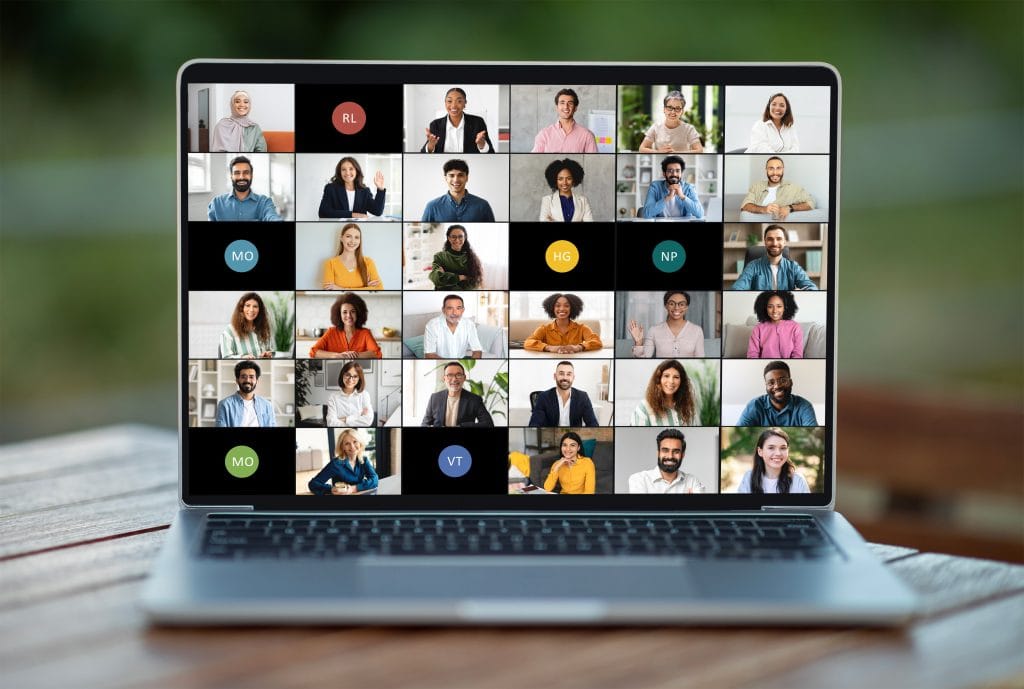
Remote work has opened new opportunities for individuals who may have previously struggled in traditional office environments. People with mobility impairments, chronic health conditions, or sensory sensitivities can now work from the comfort of home without compromising their career opportunities.
Platforms like Zoom have integrated accessibility features, including keyboard shortcuts, closed captioning, and high-contrast display options. Similarly, project management tools like Asana and Trello enable teams to collaborate without requiring constant in-person interaction.
The flexibility of remote work arrangements also benefits caregivers, parents of children with special needs, and employees living in areas without accessible transportation. This broader access to job opportunities expands the available talent pool for employers and strengthens workforce diversity.
Artificial intelligence (AI) is reshaping accessibility in ways that would have been unimaginable a decade ago. AI-powered transcription, real-time translation, and predictive text input are helping bridge communication gaps in multilingual teams or in environments with varying communication needs.
For example, Google Workspace uses AI to suggest edits and rephrase text for clarity, benefiting employees with dyslexia or other learning differences. AI-driven analytics can also detect potential accessibility gaps in digital content, such as missing image alt text or low-contrast color schemes.
As AI continues to evolve, businesses can expect even more personalized accessibility solutions, such as adaptive learning systems that adjust training materials based on an individual’s preferred communication style or assistive needs.
While technology is advancing rapidly, the legal framework around workplace accessibility remains an important driver. Laws such as the Americans with Disabilities Act (ADA) require businesses to provide reasonable accommodations for employees with disabilities. In the digital age, this extends to online portals, internal systems, and software tools used in daily operations.
Ignoring accessibility can lead to significant legal and reputational consequences. High-profile lawsuits against companies with inaccessible websites or digital services have raised awareness that accessibility is not optional. Businesses that proactively integrate accessible technologies demonstrate not only compliance but also a commitment to ethical business practices.
Technology alone cannot create an accessible workplace—culture plays a critical role. Providing training on accessibility tools, encouraging open communication about accommodation needs, and incorporating accessibility into every stage of workflow design are all essential steps.
Some organizations, like SAP, have gone beyond compliance by creating dedicated accessibility teams and investing in innovation programs that promote inclusive design. This type of leadership sends a strong message internally and externally that accessibility is a priority.
Incorporating accessibility into hiring, onboarding, and career development processes also helps create an environment where employees feel valued and supported. This, in turn, leads to higher retention rates, improved morale, and stronger team performance.
Investing in accessible technology is not just a short-term fix—it is a long-term strategy that benefits both employees and the business as a whole. Companies that adopt accessible systems early are better positioned to adapt to changing regulations, market demands, and workforce expectations.
Moreover, accessible design often drives innovation. Products and services created with accessibility in mind can reach broader markets, including customers with disabilities. This approach can enhance brand reputation and open new revenue streams.
Workplace accessibility is no longer confined to physical modifications or minimal compliance. Technology is redefining what it means to create a truly inclusive environment, and forward-thinking companies are leveraging these advancements to build stronger, more diverse, and more productive teams. From assistive tools and AI to remote work and inclusive culture, the integration of accessibility into every aspect of operations is becoming a business imperative.
Those who lead the way will not only meet legal requirements but also position themselves as innovators in an increasingly competitive marketplace. For business leaders, the question is no longer whether to prioritize accessibility but how to integrate it effectively—and technology provides the tools to make that possible.