
Commercial landscaping was once viewed primarily as a maintenance service. Property owners hired contractors to mow lawns, trim hedges, remove weeds, and keep outdoor areas presentable. Although those responsibilities remain…
Read More...


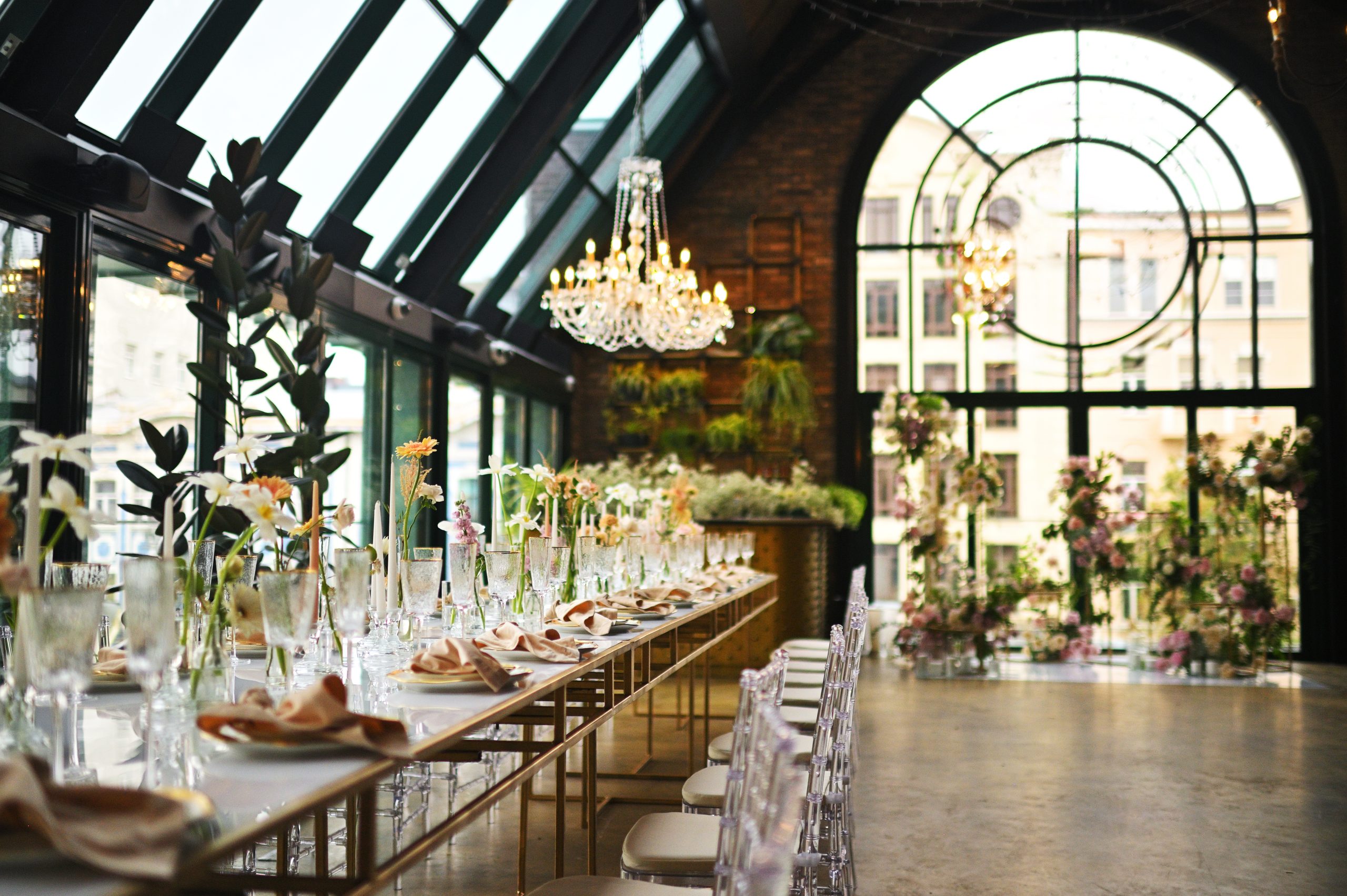


A wedding venue is often described as a hospitality business, but that only tells part of the story. At its core, a successful venue is also a real estate asset. The land, the building, the location, the views, the parking, the zoning, the renovation quality, and the surrounding market all affect what the business can charge and what the property may be worth over time. For entrepreneurs, that makes the wedding venue business interesting because it combines real estate ownership with event revenue, brand development, and operating discipline.
Unlike many small businesses, a wedding venue can have value on multiple levels. It can generate event income, appreciate as property, create rental opportunities, support related services, and become a recognizable local brand. A barn, estate, vineyard, lakefront property, historic mansion, converted warehouse, or modern event hall can become more valuable when the owner turns it into a destination people associate with major life events. The business is not simply renting space for a few hours. It is selling atmosphere, convenience, trust, and the feeling that a couple has found the right place for one of the most important days of their lives.
That is also why the economics can be complicated. The property may look beautiful, but the financial model has to work under real conditions. Debt service, insurance, labor, maintenance, utilities, taxes, marketing, vendor coordination, cleaning, landscaping, repairs, and weather planning all matter. Higher interest rates have made that analysis even more important. When borrowing costs rise, the purchase price, renovation budget, and monthly payment can quickly determine whether a wedding venue is a strong investment or a property that looks better on social media than it does on a profit and loss statement.
The first major economic advantage of a wedding venue is control of a physical asset. Many businesses rent their location and build value mostly through customer relationships, contracts, and brand reputation. A venue owner may build those same intangible assets while also owning the land and improvements. That creates the potential for business income and real estate appreciation to work together.
Location is a major part of the value equation. A property near a major city, a destination tourism area, a wine region, a lake, a beach, or a scenic rural corridor may have pricing power that a less convenient or less distinctive property does not. Couples may be willing to pay more for a venue that photographs well, is easy for guests to reach, has lodging nearby, and offers a memorable setting. In that sense, a wedding venue is closer to a boutique hotel or specialty restaurant than a generic rental hall.
Real estate flexibility also matters. A property that can host weddings, corporate retreats, nonprofit galas, rehearsal dinners, private parties, photo shoots, and community events has a broader revenue base than one that depends only on Saturday weddings. Platforms like Peerspace have helped normalize the idea that unique spaces can be monetized in different ways, from brand activations to small productions and private gatherings. For a property owner, that flexibility can support cash flow during slower wedding months.
However, not every attractive property works as a venue. Zoning, parking, traffic flow, noise restrictions, alcohol rules, fire code, septic capacity, restroom count, accessibility, and neighborhood tolerance can make or break the business. A beautiful farmhouse on 20 acres may seem perfect until the owner realizes the road access is poor, music has to stop early, shuttle logistics are difficult, or the county requires major improvements. Smart operators evaluate the property as both an event space and a regulated commercial use before committing serious capital.
Wedding venue revenue is heavily tied to the calendar. There are only so many prime Saturdays in a year, and not all dates are equal. Spring and fall may command premium pricing in many markets, while summer or winter may be slower depending on climate and local preferences. Holiday weekends, long weekends, and dates with strong demand can become premium inventory.
This creates a scarcity model. A venue does not need thousands of customers to perform well. It may need a limited number of high value bookings at the right price. A venue that charges a strong rental fee, adds food and beverage minimums, offers ceremony and reception packages, and captures additional services can generate meaningful revenue from a relatively small number of events.
The key is not only the number of weddings. It is the revenue per event. A venue that books 80 events per year at weak pricing may not be better than a venue that books 45 events at premium pricing with better margins and less wear on the property. Owners have to understand capacity, labor intensity, setup time, turnover requirements, and the cost of each event. A full calendar can look impressive, but if every event is underpriced, the venue may be busy without being especially profitable.
Companies such as The Knot and Zola have made venue discovery more transparent for couples, which can be helpful for marketing but also puts pressure on operators to present clear value. Couples often compare venues by price, photos, inclusions, reviews, and availability. A venue with a strong brand, polished photography, detailed packages, and responsive sales communication can stand out in a competitive market.
Interest rates now play a major role in whether a wedding venue acquisition or conversion makes sense. When rates were lower, buyers could tolerate higher purchase prices and larger renovation budgets because monthly debt service was easier to manage. In a higher rate environment, the same property may require more equity, stronger projected income, or a lower purchase price to make the numbers work.
This matters because many wedding venue projects involve heavy upfront spending. A buyer may purchase land or a building, renovate event spaces, add restrooms, improve kitchens, install lighting, expand parking, upgrade landscaping, build bridal suites, create outdoor ceremony areas, and add climate control. Those improvements may increase value, but they also create financing risk if bookings do not ramp up quickly.
A higher interest rate can change the entire return profile. Suppose an entrepreneur buys a property and finances a large portion of the acquisition. The monthly payment becomes a fixed obligation regardless of how many weddings are booked. If bookings are slower than expected, or if the venue has a seasonal lull, the owner still has to pay the lender, insurance company, utility providers, staff, and vendors. That is why conservative projections matter.
The better approach is to underwrite the property with realistic assumptions. How many events can the venue actually host without hurting the guest experience? What is the average rental fee? What percentage of inquiries turn into bookings? How much will be spent on advertising? How long does it take to build reviews and reputation? How much cash reserve is needed for repairs and slower months? These questions are not exciting, but they separate disciplined buyers from emotional buyers.
A wedding venue real estate asset may increase in value when the property becomes a proven income generating location. An ordinary rural property may have one valuation as land and buildings, but a permitted, branded, revenue producing venue with a strong booking history may support a different valuation. Buyers may look at both the underlying real estate and the operating business.
This is where documentation becomes important. Clean books, booking reports, event contracts, customer reviews, vendor relationships, maintenance records, and marketing data can all support value. If an owner eventually wants to sell, a buyer will want to know whether the venue success is transferable. If everything depends on the owner personally selling each couple, decorating each event, and handling every crisis, the business may be harder to transfer. If the venue has systems, staff, repeatable packages, and strong market positioning, it may command more interest.
Brand equity also matters. Some venues become known in their region as the place for luxury weddings, rustic weddings, waterfront weddings, cultural weddings, or intimate boutique events. That reputation can reduce marketing friction. A couple may inquire because they attended a wedding there, saw the venue on social media, found it through a planner, or read positive reviews. Over time, the brand can become part of the asset.
Companies like Cvent show how professional event management and venue sourcing have become more data driven, especially for corporate and large scale events. While weddings are more emotional, the same business principle applies. Venues that manage inquiries, contracts, calendars, payments, layouts, guest counts, vendor requirements, and follow up professionally are usually better positioned than venues that operate casually.
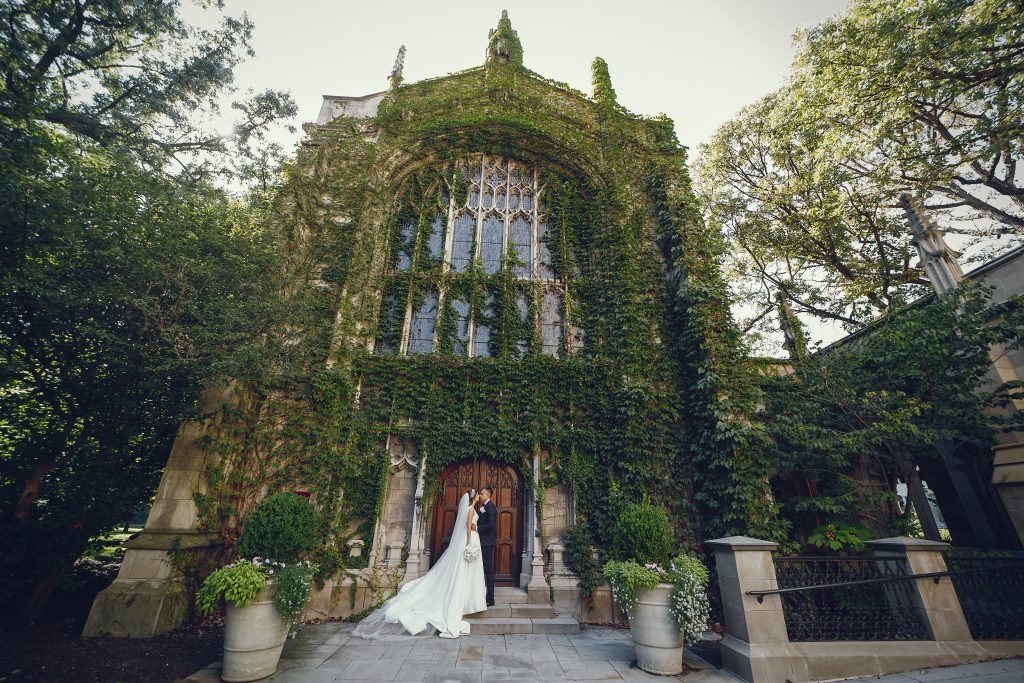
The wedding venue business can look highly profitable from the outside because venue rental fees may appear large. But the cost structure can be significant. Insurance can be expensive because events involve guests, alcohol, parking, weather exposure, vendors, and potential liability. Property maintenance can also be constant, especially if the venue has gardens, barns, older buildings, outdoor areas, private roads, or large heating and cooling systems.
Labor is another major factor. Even if the venue does not provide catering, it may need event managers, cleaning crews, maintenance staff, parking attendants, security, setup teams, and administrative support. Each event requires preparation before guests arrive and cleanup after they leave. The more services included, the more the venue starts to resemble a hospitality operation rather than a simple real estate rental.
Repairs and replacements also need to be built into pricing. Floors, restrooms, landscaping, furniture, lighting, paint, signage, kitchen equipment, chairs, tables, linens, and outdoor surfaces all wear down. A venue that hosts dozens of events per year is inviting heavy use. The property may still look elegant to guests, but the owner has to budget for constant upkeep behind the scenes.
That is why margins depend on package design. Some venues rent only the space and require couples to bring outside vendors. Others offer full service packages with catering, bar service, rentals, coordination, and decor. A full service model can create more revenue per event, but it also creates more operational responsibility. A space only model may be simpler, but it may leave money on the table and make the venue easier to compare against competitors.
One of the smartest ways to improve wedding venue economics is through vendor relationships. A venue can build preferred partnerships with caterers, florists, photographers, DJs, transportation providers, rental companies, and planners. These relationships can improve the guest experience while also creating potential referral income, package value, or better service consistency.
A venue should be careful with how it handles preferred vendors. Couples do not want to feel trapped, and some markets have rules or expectations about transparency. Still, a strong vendor network can make the venue more attractive. When a couple books a space and immediately receives a list of trusted professionals, the planning process feels easier.
There are also opportunities for related income. A venue may offer lodging, bridal suites, rehearsal dinners, farewell brunches, photography sessions, holiday events, corporate meetings, proposal packages, and anniversary parties. In destination areas, nearby short term lodging through platforms such as Airbnb and Vrbo may also influence demand, though operators should study local rules and neighborhood concerns before relying on that ecosystem.
Some venues expand into content and media opportunities. A visually distinctive property can attract styled shoots, influencer events, brand photography, or small productions. That does not replace the core wedding business, but it can add revenue and marketing exposure during open dates.
Marketing is not just a way to fill the calendar. For a wedding venue, marketing can increase the perceived value of the asset. Professional photography, video tours, social media, search visibility, review management, planner relationships, and clear website copy all influence what couples believe the venue is worth.
A venue with poor photography may underperform even if the property is beautiful. Couples often make their initial shortlist online before they ever visit. If the website is slow, the galleries are outdated, pricing is confusing, or the inquiry process is weak, the venue may lose business to a less impressive property with stronger presentation.
A polished digital presence also supports pricing power. Wedding venues are emotional purchases. Couples want to feel confidence before they spend thousands of dollars and invite family and friends. A strong website, active social media presence, professional follow up, and clear packages help reduce uncertainty. Platforms like HoneyBook and Tripleseat can also help event businesses organize leads, proposals, contracts, and payments.
Entrepreneurs sometimes underestimate how much the sales process matters. A couple may love the property, but if the inquiry response takes five days, the tour is disorganized, or the proposal is confusing, the venue may lose the booking. Real estate creates the setting, but sales execution converts that setting into revenue.
Wedding venues face a mix of real estate, hospitality, legal, and reputational risk. Weather can disrupt outdoor ceremonies. Alcohol can create liability. Guests can get injured. Vendors can arrive late. Neighbors can complain about traffic or noise. A plumbing issue can become an emergency if it happens two hours before a reception.
Because weddings are emotional events, service failures can become reputational problems quickly. One bad experience can turn into negative reviews, social media complaints, and planner hesitancy. A venue owner has to think beyond property ownership and build operational safeguards.
Contracts should be clear about deposits, cancellations, weather plans, vendor requirements, insurance, alcohol service, damage, capacity limits, timing, noise restrictions, and force majeure events. The venue should also have written procedures for walkthroughs, setup, vendor arrivals, guest flow, parking, emergency contacts, and post event cleaning.
Insurance deserves special attention. General liability, liquor liability, property insurance, workers compensation, event specific coverage, and umbrella coverage may all be relevant depending on the model. The right coverage is not just a compliance item. It protects the long term value of the property and business.
A wedding venue can be a powerful business because it sits at the intersection of real estate, hospitality, branding, and life event spending. The best opportunities are not just pretty properties. They are properties with the right location, legal use, guest capacity, operational flow, pricing power, and long term market demand. In a higher interest rate environment, the numbers deserve even more discipline. Debt service, renovation costs, seasonality, insurance, labor, and marketing all need to be studied before an entrepreneur falls in love with the property.
For the right owner, a Wedding Venue can become more than an event space. It can become a regional brand, a cash flowing real estate asset, and a platform for related revenue streams. The opportunity is real, but it rewards operators who treat the venue like both a beautiful setting and a serious business asset.