
Commercial landscaping was once viewed primarily as a maintenance service. Property owners hired contractors to mow lawns, trim hedges, remove weeds, and keep outdoor areas presentable. Although those responsibilities remain…
Read More...


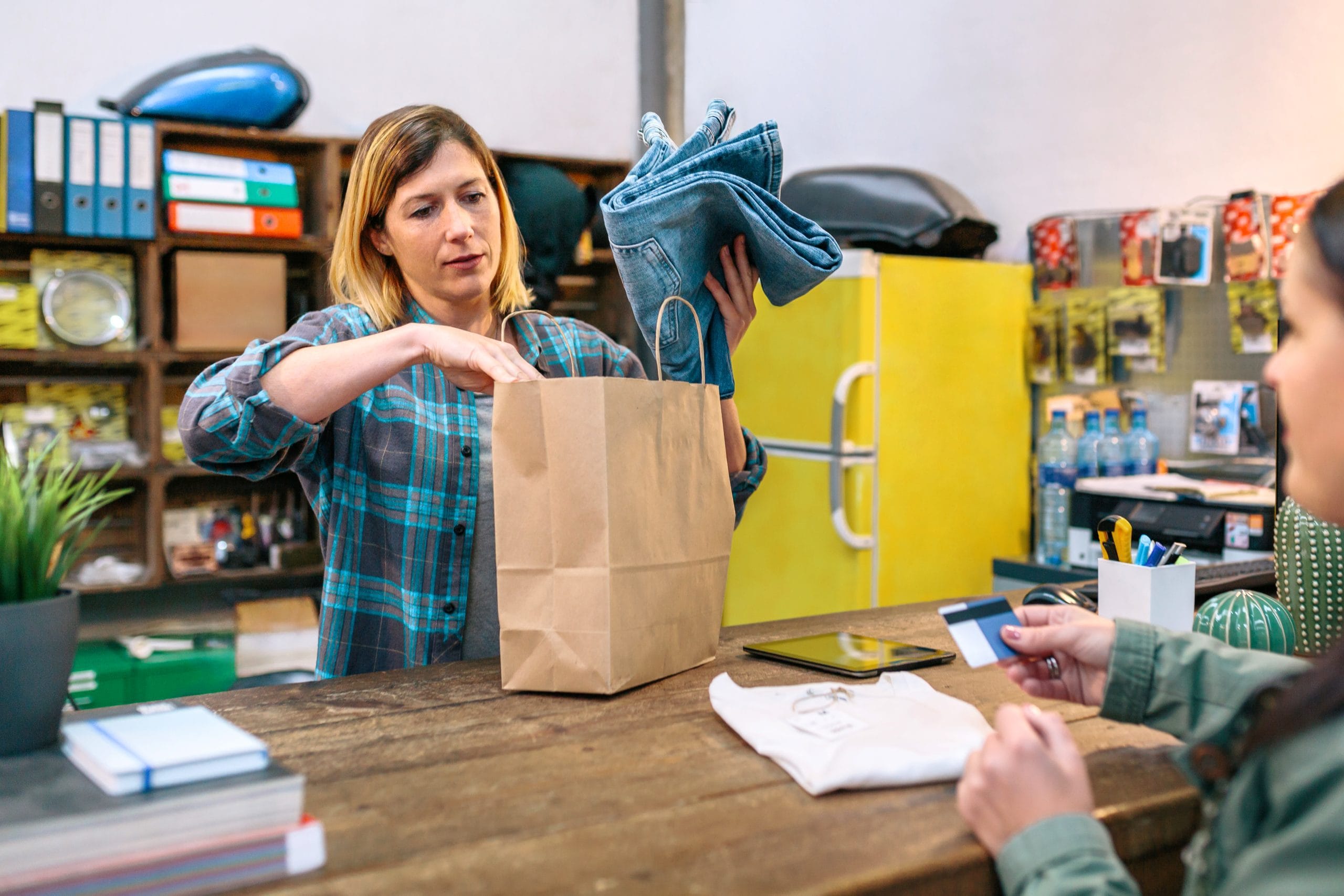


Returned goods have long been seen as a challenge for retailers. They represent lost revenue, added logistics costs, and the potential for wasted inventory. Yet in recent years, entrepreneurs and established companies alike have recognized that returned merchandise is far from worthless. Instead, it has become the foundation of a thriving secondary market that continues to grow as e-commerce expands and consumer buying behaviors shift. This hidden business of reselling returned goods is reshaping how we think about retail, logistics, and entrepreneurship.
In the United States alone, billions of dollars worth of goods are returned each year. According to data from the National Retail Federation, return rates average between 15 and 20 percent for online purchases, significantly higher than the rates for in-store purchases. This means that massive volumes of apparel, electronics, furniture, and household items are sent back to retailers. Instead of discarding this inventory, retailers increasingly move these goods into secondary markets, where resellers can acquire them at steep discounts.
Companies such as B-Stock and Liquidation.com have built platforms dedicated to the resale of returned and excess merchandise. These businesses act as intermediaries, connecting retailers like Walmart and Target with buyers ranging from small resellers to full-scale liquidation businesses. By creating a structured marketplace, they give returned goods a new life while allowing entrepreneurs to enter a market that was once closed to all but a handful of insiders.
The resale of returned goods typically begins with large retailers or manufacturers. When items are returned, they are graded by condition, such as brand new, open box, lightly used, or salvage. Once categorized, pallets or truckloads of this inventory are sold to liquidators or directly to resellers. The buyer takes on the responsibility of sorting, refurbishing, and reselling the items through outlets like discount stores, flea markets, or online platforms.
Online resellers often use eBay, Amazon, or niche platforms like Poshmark to reach consumers looking for discounted merchandise. Some entrepreneurs specialize in refurbishing electronics, while others focus on clothing or home goods. The opportunity lies in identifying a niche, managing logistics efficiently, and building trust with customers who understand they are purchasing returned merchandise at a fraction of the original price.
For entrepreneurs, returned goods offer several advantages. First, they can be purchased at prices far below wholesale, giving resellers significant room to make a profit. Second, consumer demand for discounted items is high, especially in an environment where inflation and cost-of-living pressures push buyers to look for savings. Third, the variety of inventory available through liquidation channels allows businesses to test different product categories with relatively low investment risk.
Retailers also benefit when their returns are resold rather than destroyed. It reduces storage costs, lowers waste, and contributes to sustainability goals. In addition, it creates a win-win scenario where customers get affordable goods, entrepreneurs build businesses, and retailers minimize losses.
While the resale of returned goods offers significant opportunity, it is not without challenges. Condition variability can make it difficult to predict profits. A pallet of electronics may contain high-value items, but it may also include units that cannot be repaired. Entrepreneurs need to factor in these risks when calculating margins and avoid overextending capital on unverified lots.
Another challenge is the logistical side of managing returned goods. Shipping, warehousing, and refurbishing all add costs. Businesses that succeed in this market often do so by developing strong systems for inventory management, quality checks, and customer service. Those that underestimate these requirements may find their profits quickly eroded by unexpected expenses.
Technology has become central to making the resale of returned goods more efficient. Platforms like B-Stock provide data analytics to help buyers understand what types of merchandise perform well. Similarly, e-commerce tools now integrate with online marketplaces, making it easier for resellers to track sales, manage listings, and optimize pricing strategies.
Artificial intelligence is also entering the field. Companies are using machine learning to better predict the resale value of returned items based on condition, brand, and demand. This gives entrepreneurs clearer insight before they make purchasing decisions, reducing risk and allowing them to operate more strategically in a competitive market.
One reason this business is flourishing is the change in consumer attitudes. Buying returned or refurbished goods is no longer stigmatized. Shoppers have become comfortable with secondhand marketplaces, as demonstrated by the success of platforms like ThredUp. Many consumers see purchasing returned goods as a smart, sustainable choice rather than a compromise.
This cultural shift has created more room for entrepreneurs to build businesses that openly advertise returned and refurbished goods. What was once considered a niche, backroom industry is now entering the mainstream. Resellers who build strong brands around affordability and sustainability can attract loyal customers who actively seek out these deals.

Entrepreneurs interested in entering the returned goods market have several pathways. Some start small, purchasing single pallets from liquidation auctions and reselling items individually. Others move quickly into larger operations, securing warehouse space and building teams to process and list inventory at scale. Still others create hybrid models, combining brick-and-mortar discount stores with online sales channels to maximize reach.
Building partnerships with reliable suppliers is a critical step. Entrepreneurs who can secure consistent access to quality returned merchandise gain an edge over competitors. This often requires cultivating relationships with liquidators, attending trade shows, and staying informed about shifts in retail policies surrounding returns. Success also depends on marketing and branding, as customers want transparency about the source and condition of the products they purchase.
The market for returned goods is expected to continue expanding as e-commerce grows and consumer behavior evolves. Retailers are unlikely to slow down their generous return policies, as these remain essential for customer satisfaction. At the same time, sustainability pressures will push more companies to find productive uses for returned items rather than discarding them.
Reselling returned goods is no longer just a side business; it is becoming a central part of the retail ecosystem. Entrepreneurs who can balance risk with opportunity, embrace technology, and adapt to changing consumer expectations will find that this hidden business offers significant rewards.
What was once seen as a headache for retailers has transformed into a profitable arena for entrepreneurs. The business of reselling returned goods combines opportunity with sustainability, appealing to consumers who want value without sacrificing quality. As more companies and entrepreneurs step into this space, the market will only grow stronger, shaping the future of how products move through the retail cycle. For those willing to invest in the logistics, technology, and customer relationships, the hidden business of returned goods may very well become a defining business model of the modern retail era.