
Commercial landscaping was once viewed primarily as a maintenance service. Property owners hired contractors to mow lawns, trim hedges, remove weeds, and keep outdoor areas presentable. Although those responsibilities remain…
Read More...


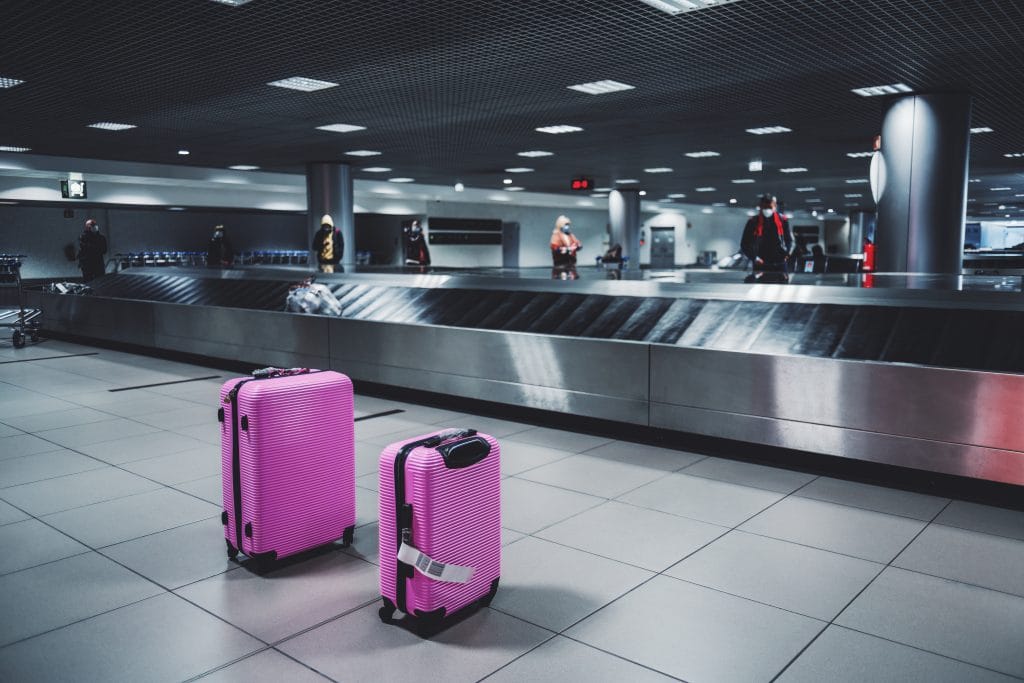
Every day, airports, hotels, train stations, and restrooms collect a staggering number of forgotten belongings. Some are small items like headphones or sunglasses, while others include high-end electronics, designer clothes, and valuable jewelry. What happens after the rightful owners fail to claim them? For decades, those items would sit in storage until they were discarded or auctioned. Today, however, a growing industry has transformed what was once waste into a thriving source of revenue. The unclaimed baggage market now operates as a sophisticated ecosystem where forgotten goods are located, cataloged, refurbished, and resold.
In many ways, this industry demonstrates how creativity and organization can turn inefficiency into opportunity. The Unclaimed Baggage Center in Alabama remains the most famous example. It started as a family business in 1970, purchasing unclaimed airline luggage by the truckload. Over time, it grew into a national retailer, attracting both tourists and bargain hunters. What began as a small-scale recycling idea evolved into a model for secondary market operations across the world. The same logic now extends into other overlooked areas, including public restroom lost-and-found items, where even a single recovered smartphone or watch can hold significant resale potential.
The economic implications are broader than they appear. This type of operation contributes to sustainability by reducing landfill waste, stimulates secondary market employment, and highlights how logistics, technology, and marketing can transform discarded goods into a consistent business. The sector’s expansion also mirrors how entrepreneurial thinking can reshape perceptions of value: what was once “trash” is now treated as recoverable capital.
While unclaimed baggage often takes center stage, the restroom claim market has quietly become one of the most intriguing subcategories in lost property recovery. Restrooms inside airports, stadiums, shopping malls, and corporate offices see hundreds of visitors daily. Items left behind—rings, wallets, or wireless earbuds—are often never reclaimed. Facility managers and custodial services are beginning to recognize that these forgotten items, after the legal holding period expires, can enter a legitimate resale channel.
In practice, a restroom recovery process looks surprisingly similar to airport baggage reclamation. Each found item is logged with a description, date, and location, then stored for a required number of days in case an owner returns. After that window passes, the property can be transferred to a recovery firm or auctioned under local law. Many public facilities have begun contracting with specialized unclaimed property operators who handle both storage and resale, freeing staff from administrative work while generating a small but consistent revenue stream.
Some companies have gone further by integrating sustainability narratives into their operations. Items collected from restrooms or terminals are cleaned, tested, and often donated if resale value is low. Higher-value items go into refurbished resale pipelines similar to electronics recyclers like Back Market. The variety of sources—airports, train depots, stadiums, hotels, and yes, restrooms—gives this industry an ongoing supply of products with unpredictable but often profitable returns.
Scaling any unclaimed goods operation requires balancing legal compliance, logistics, and technology. Each new source of lost property introduces a unique workflow: airlines might require serialized inventory lists, while building operators focus on time-stamped tracking. Restroom recovery operations in particular require careful sanitation procedures and item documentation. Operators must photograph and catalog each find before resale to maintain transparency and protect against ownership disputes.
Warehousing represents a major expense. Companies typically separate goods into three categories: high-value items destined for retail or e-commerce, mid-range goods suited for consignment or liquidation, and damaged items for recycling or parts. To move this inventory efficiently, some operators partner with major carriers like FedEx and DHL for secure transportation between facilities. Streamlined logistics reduce overhead and improve cash flow, both of which are critical in a business that relies on unpredictable supply volumes.
Another scaling challenge lies in navigating regulatory frameworks. Each U.S. state has distinct unclaimed property statutes that define retention periods and disposal rights. Failing to comply can lead to penalties or forced returns. Successful operators build legal expertise directly into their workflow, integrating automated reminders for expiration dates and proof of due diligence. As a result, restroom recovery operations can operate confidently within a legitimate and profitable framework.
Restroom lost-and-found programs illustrate how small innovations can lead to recurring profit. Many public venues lack the resources to manage inventory for thousands of lost items. By outsourcing this process, they gain efficiency while sharing in the proceeds of recovered goods. The programs also help preserve the brand reputation of venues that prefer to avoid cluttered storage spaces or accusations of negligence.
These programs can be structured in several ways. A common model is revenue sharing: a contractor takes over management, documentation, and resale responsibilities, then splits proceeds with the property owner. Some use consignment models where high-value items are listed individually online, and lower-value goods are bulk sold through auction sites. With technology integration, even restroom finds are tracked in databases, photographed, and automatically listed for resale once the holding period ends.
Because these items are generally smaller and easy to ship, operational costs are minimal compared to unclaimed luggage operations that handle bulky items. Entrepreneurs who combine storage efficiency with digital sales can achieve high turnover rates. A recovered smartwatch or designer handbag might sell within hours on secondary platforms. The margins are meaningful, particularly for small businesses operating with low overhead.
Beyond the financial appeal, these programs contribute to sustainability. Reselling or repurposing forgotten goods reduces waste, conserves materials, and supports circular economy principles. It also aligns with consumer values, as buyers increasingly favor products that extend the life cycle of existing resources rather than consuming new ones.
Although the restroom segment represents a small percentage of total unclaimed property volume, it delivers high profitability relative to effort. Unlike bulky luggage, restroom items often require minimal refurbishment. Most are electronic accessories, jewelry, or wallets—lightweight and quick to resell. The processing time is shorter, storage costs lower, and customer demand steady. The result is a business line that, while secondary, meaningfully contributes to overall margins.
Entrepreneurs exploring this space can create partnerships with maintenance or security companies already servicing large buildings. A simple memorandum of understanding can give them exclusive rights to unclaimed property after the legal claim period. From there, they can resell recovered items online or through local retail outlets. Transparency in handling and data tracking builds trust and helps avoid disputes about ownership or valuation.
Creative storytelling further elevates this niche. Marketing campaigns featuring “from restroom to resale” stories attract consumer curiosity and reinforce brand authenticity. Just as vintage furniture retailers celebrate restoration, lost-and-found resellers can celebrate recovery. Buyers are drawn not only by value but by narrative—each item has a past, and purchasing it helps extend its usefulness. This emotional connection can turn a transactional resale into a loyal customer base.
The same model can expand internationally. In regions with large-scale tourism, like Europe or Asia, forgotten property accumulates in public facilities at massive scale. Restroom recovery programs abroad often combine resale with charitable donation frameworks, channeling proceeds into community projects. This adds social value while supporting economic growth—a balance that resonates with both buyers and operators.
The evolution of the unclaimed baggage industry into a multi-channel business shows how overlooked assets can create significant enterprise value. From airport warehouses to restroom storage bins, the principle remains the same: organization turns chaos into opportunity. Businesses that identify inefficiencies, apply structure, and introduce transparency can transform waste into wealth.
Restroom recovery programs, in particular, illustrate how innovation can flourish in unexpected places. What was once dismissed as low-value or unworthy of attention has become a legitimate source of profit, sustainability, and even storytelling. The industry now merges logistics, law, marketing, and social responsibility into a single framework that appeals to both consumers and partners.
For entrepreneurs and business professionals, the takeaway is simple: look where others do not. When viewed through the lens of creativity and discipline, forgotten items become revenue streams, and abandoned processes become case studies in business reinvention. The unclaimed baggage market—and its quieter counterpart in restroom recovery—reminds us that opportunity often hides in plain sight, waiting for someone to recognize its potential and bring it back to life.