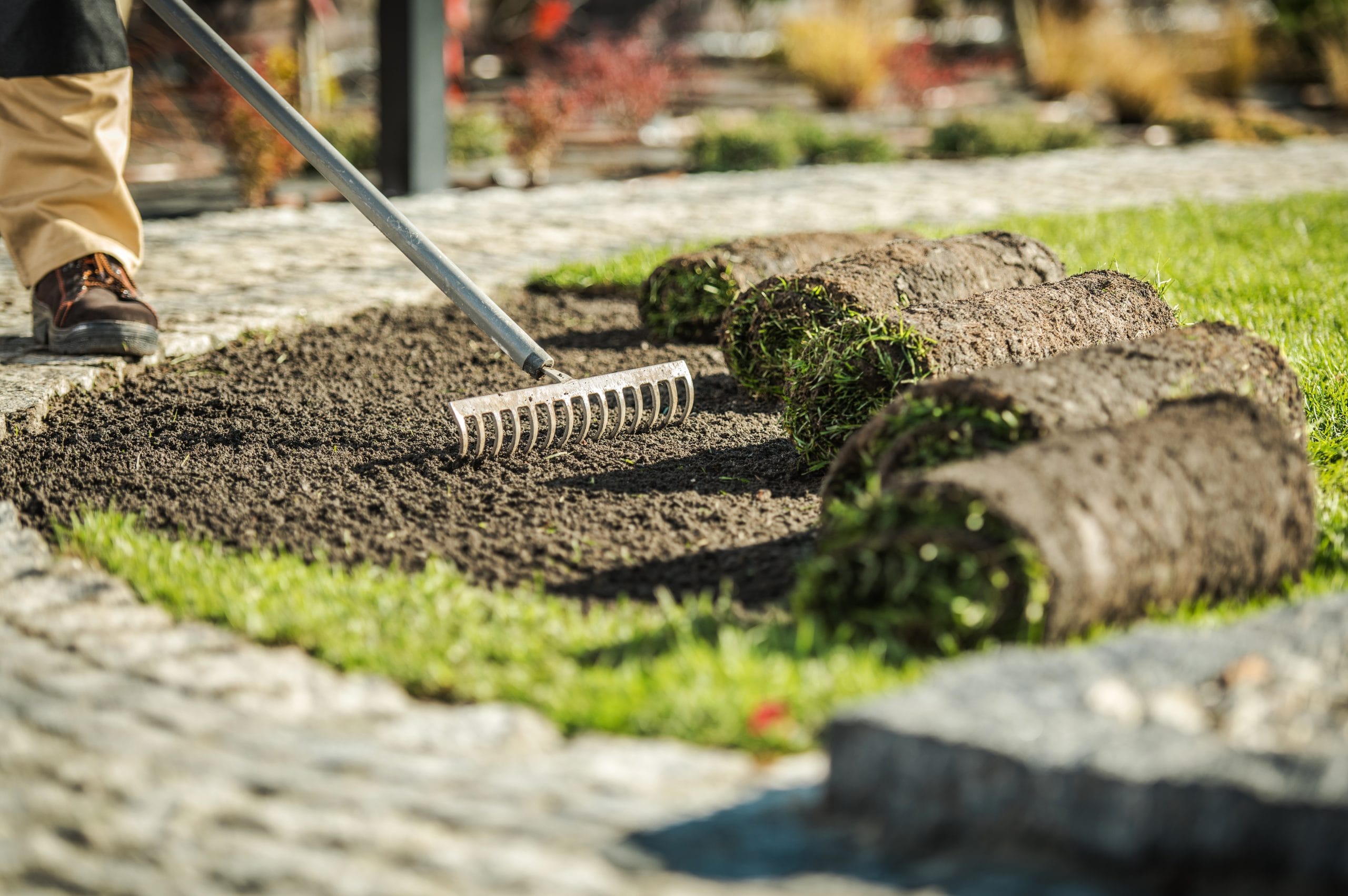
Commercial landscaping was once viewed primarily as a maintenance service. Property owners hired contractors to mow lawns, trim hedges, remove weeds, and keep outdoor areas presentable. Although those responsibilities remain…
Read More...


When people think about competitive advantages, they often focus on pricing, marketing, or technology. Yet one of the most surprising areas where businesses are gaining an edge today is through something often overlooked—the restroom. Long dismissed as a purely functional necessity, restrooms have evolved into a reflection of brand values, customer comfort, and even company culture.
Businesses are realizing that the restroom experience contributes to overall perception. Whether it is a restaurant, retail store, or office space, guests and employees notice the details—from cleanliness to design aesthetics. A restroom can either reinforce the quality of a brand or detract from it entirely. A poorly designed restroom can quickly overshadow even the best meal or service experience.
In an era where customers share experiences instantly online, something as simple as a restroom can influence word-of-mouth marketing. A thoughtfully designed restroom signals attention to detail, care for comfort, and commitment to quality—all attributes that define modern business success.
A restroom is often the most personal interaction a guest has with a business environment. The materials, lighting, and layout speak volumes about brand priorities. Companies that invest in restroom design are, in essence, communicating their values without saying a word.
Take the hospitality industry, for instance. Luxury hotels such as Four Seasons Hotels and Resorts or The Ritz-Carlton treat restrooms as extensions of their brand promise. Every surface, fixture, and scent is curated to create a sense of calm and sophistication. These details translate into emotional comfort—an invisible yet powerful part of the guest experience.
Even outside the hospitality sector, thoughtful restroom design is being used to strengthen brand identity. Retailers like Restoration Hardware and Lululemon have created elegant, spa-like restrooms that align with their premium positioning. The consistent attention to aesthetics reminds visitors that the company values quality in every interaction, not just in products.
Clean, functional, and well-designed restrooms influence how long customers stay, how often they return, and what they share with others. Research from the International Journal of Contemporary Hospitality Management has shown that restroom conditions directly impact customer satisfaction ratings in restaurants and hotels.
Restaurants that take restroom design seriously often report higher loyalty and online review scores. Patrons see it as an indicator of how the business operates behind the scenes. If management maintains something as private as the restroom with care, it builds confidence in the overall operation.
Starbucks recognized this long ago, adopting a “third place” philosophy that includes restrooms designed for comfort and accessibility. Their consistent quality reinforces reliability—an essential brand attribute. Similarly, Whole Foods Market includes restrooms that complement its natural and eco-conscious branding, using sustainable materials and energy-efficient lighting. These choices reinforce environmental credibility.
Beyond public spaces, restroom design plays a role in employee satisfaction and productivity. In modern workplaces, companies are focusing on every aspect of employee well-being—from break rooms to lighting—and the restroom has not been left behind.
Companies like Salesforce and Google design restrooms with comfort and inclusivity in mind. Gender-neutral facilities, high-quality fixtures, and thoughtful layouts contribute to a culture of respect and inclusivity. When employees feel their needs are considered, it boosts morale and reduces stress, indirectly improving performance and retention.
For smaller companies, upgrading restrooms may seem like a luxury, but it can become a subtle differentiator. Clients visiting your office notice these details. A clean, well-lit restroom conveys professionalism and respect. It reflects a mindset of excellence that often extends to the business as a whole.

The psychology of space applies strongly to restrooms. Design elements influence how people feel, behave, and remember the environment.
Lighting plays a critical role. Soft, warm tones make spaces feel welcoming, while harsh fluorescent lighting creates discomfort. Natural lighting, where possible, has become highly desirable because it communicates openness and health.
Material selection also matters. Businesses are choosing finishes that balance beauty with functionality. Durable yet elegant materials—such as quartz, stone, and antimicrobial surfaces—reflect a balance between aesthetics and practicality. Kohler and Toto USA have built reputations on innovative fixtures that elevate the restroom experience through smart design and sustainability.
These design choices affect perception more than most realize. A restroom with high-quality finishes suggests the business invests in quality across its operations. Conversely, a neglected restroom can instantly create doubt about overall management and attention to detail.
Inclusivity in restroom design has evolved from a compliance requirement to a brand advantage. Businesses that prioritize accessibility and inclusivity demonstrate awareness and social responsibility.
Gender-neutral restrooms, baby-changing facilities in both men’s and women’s spaces, and wheelchair-accessible stalls are now expected rather than exceptional. Brands that integrate these elements naturally—not as afterthoughts—show cultural sensitivity and progressiveness.
Companies like Target and IKEA have taken public stances by providing gender-inclusive restrooms nationwide. These decisions strengthen customer trust and align the brands with modern social values. Inclusivity is not only ethical—it’s strategic. Customers today favor businesses that mirror their values, and restroom design is a tangible way to express that.
Sustainability is now central to brand positioning, and restroom design plays a direct role. Water-efficient fixtures, motion sensors, and eco-friendly materials are part of the sustainability narrative that many businesses want to tell.
Brands like Delta Faucet Company and Sloan have developed advanced technologies to reduce water usage without compromising performance. Their commercial clients use these products to lower operating costs while reinforcing eco-conscious branding.
Restaurants, hotels, and corporate offices are adopting these innovations to appeal to environmentally aware consumers. For instance, Marriott International integrates low-flow systems and recycled materials into restroom designs as part of its sustainability commitment. These choices not only help the planet but also attract guests who appreciate responsible practices.
Restrooms are no longer hidden spaces. Many businesses have turned them into extensions of their marketing and storytelling. Creative design elements—from murals to digital screens—transform these areas into memorable touchpoints.
Some boutique hotels and upscale restaurants incorporate artwork or local craftsmanship in restrooms to express authenticity. The Soho House group is known for blending art, comfort, and culture, even in private spaces. Guests often post photos on social media, inadvertently promoting the brand.
Retailers have caught on as well. Eye-catching restrooms can go viral, becoming part of the brand experience. A well-designed restroom can spark thousands of social media impressions—essentially free advertising. Businesses that recognize this are intentionally creating “Instagrammable” restrooms to attract and engage visitors.
The integration of technology into restrooms represents the next phase of innovation. Smart mirrors, touchless systems, air purification, and occupancy sensors are rapidly becoming standard features in high-traffic commercial spaces.
Touchless faucets, soap dispensers, and flush systems improve hygiene while enhancing user experience. They also reflect a company’s commitment to modernity and innovation—values that resonate strongly with tech-savvy consumers.
Companies such as Dyson have transformed hand drying with their Airblade technology, which combines design and engineering to create faster, more hygienic solutions. Meanwhile, Bradley Corporation continues to pioneer commercial restroom technology that blends performance with design.
Businesses integrating such innovations gain more than operational efficiency—they gain a perception of leadership and forward thinking.
The cost of redesigning restrooms might appear high at first glance, but the return on investment is often underestimated. Customers who associate a positive restroom experience with a brand are more likely to return, recommend, and spend more.
For offices, employee satisfaction and retention are long-term benefits of better facilities. For restaurants and retail, it translates directly into customer loyalty. In competitive industries where differentiation is difficult, every detail matters—and the restroom has become part of that equation.
Architectural firms and design consultancies specializing in hospitality and retail now treat restrooms as integral components of brand storytelling. They know that every space communicates something, even those behind closed doors.
The modern restroom has evolved far beyond function—it is now a reflection of brand identity, customer care, and innovation. Whether it’s through sustainability, inclusivity, design, or technology, restrooms are reshaping the way people perceive businesses.
Entrepreneurs and business owners who view restroom design as part of their customer experience strategy are positioning themselves ahead of competitors who still treat it as an afterthought.
In a marketplace where every detail counts, the restroom is no longer a hidden corner of the building—it’s a statement. Businesses that understand this shift are quietly redefining what it means to deliver quality from the ground up.