
Commercial landscaping was once viewed primarily as a maintenance service. Property owners hired contractors to mow lawns, trim hedges, remove weeds, and keep outdoor areas presentable. Although those responsibilities remain…
Read More...


A quiet transformation is taking place in the media industry. For years, licensing firms focused on traditional rights—archival footage, studio properties, and commercial libraries. Now, a growing number of these companies are expanding their reach to include content produced by everyday creators. Whether it is a viral TikTok clip, drone footage uploaded by a hobbyist, or high-quality tutorials made by niche influencers, this new category of content is gaining traction in licensing circles.
This shift is more than a trend. It is signaling a change in how intellectual property is discovered, sourced, and commercialized. Companies like Jukin Media built their model around viral videos and were among the first to realize the value of user-generated content. Others, like Storyful, have positioned themselves as news intelligence agencies sourcing social media video from conflict zones, political protests, and disaster scenes. What began as an experiment has evolved into a strategic move. Licensing agencies are no longer just mining legacy media—they are curating the pulse of the internet.
Creator content used to be viewed as raw and unpredictable. Licensing professionals hesitated to represent it due to legal gray areas, inconsistent quality, and unclear rights ownership. That mindset is changing.
A major factor behind this shift is demand. Media outlets, brands, and production studios are hungry for authenticity. The glossy, highly produced feel of stock footage can sometimes miss the mark with younger or niche audiences. By contrast, creator content often feels more relatable, spontaneous, and culturally relevant. Whether used in advertising, documentaries, or news segments, this kind of media has the potential to connect with viewers on a more immediate level.
There’s also the scale factor. Billions of hours of video are uploaded each month, much of it professionally shot or high-quality despite being user-generated. Licensing firms are realizing that filtering through this ocean of content is not only possible with the right tech stack—it is profitable.
The move into creator content would not be happening without advancements in AI and content management systems. Firms like Pex have developed technology that scans media platforms in real time, helping rights holders track the use of audio and video across the internet. Tools like this are essential for content licensing firms looking to protect creator IP and negotiate fair usage terms.
Equally important is the emergence of content tagging and auto-metadata solutions. These systems can categorize creator uploads by location, theme, demographic appeal, and even emotional tone. For example, a firm could source a joyful wedding moment from a creator in Spain for a tourism ad in Latin America, without manually reviewing thousands of clips.
This tech-driven filtering is enabling firms to scale what used to be a painstakingly manual business model. It also allows them to offer better terms and faster payments to the creators whose work is being licensed.
For creators, this expansion presents fresh opportunities beyond brand sponsorships and ad revenue. Getting picked up by a licensing firm means passive income every time their content is used in media or advertising. It also helps creators gain credibility and visibility, particularly if their footage is picked up by news outlets, production houses, or global campaigns.
Kyra Media, known for building branded content networks, is one of several companies working with Gen Z creators to shape content strategies that go beyond social platforms. By partnering with licensing entities, creators can negotiate rights agreements that give them long-term control over how their content is distributed.
In some cases, licensing firms even offer exclusive agreements where they represent a creator’s full video archive. This is not just about one viral video—it is about turning a content library into a licensing asset.
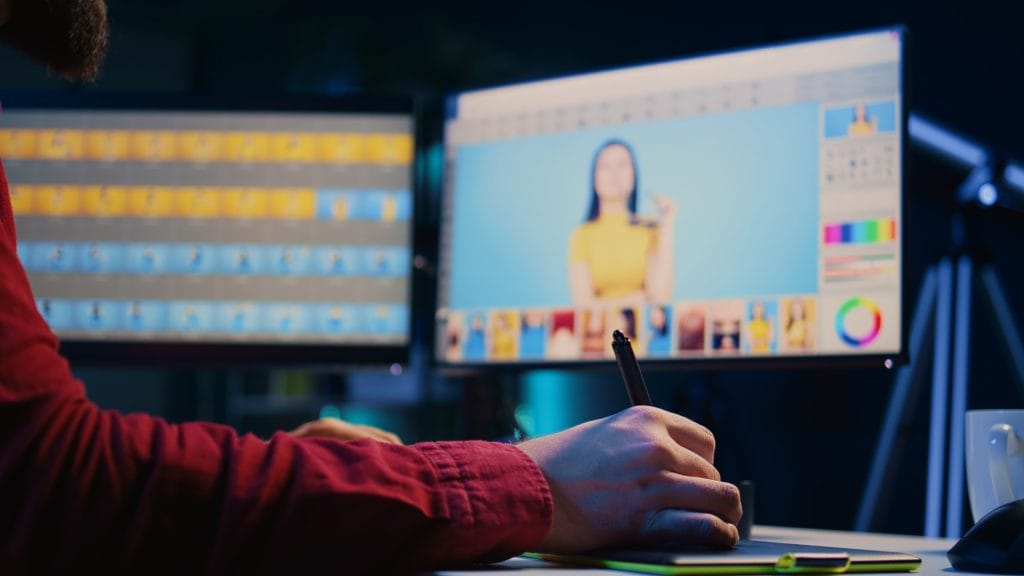
One of the more complex aspects of this expansion is intellectual property ownership. Many creators do not initially think of their videos as IP. They post content casually, often unaware of who owns what once a clip is edited with music, or if it features third-party trademarks.
Licensing firms are addressing this with onboarding processes that educate creators about copyright, fair use, and moral rights. Contracts are structured to clarify ownership and exclusivity, and many firms now have in-house legal teams reviewing each transaction.
Brut, a digital media company that operates globally, has partnered with creators and content distributors to provide streamlined licensing agreements. Their approach includes legal protections for both the creator and the end user, minimizing disputes down the line.
Still, not every platform has the same rigor. Some companies continue to operate in a gray area, so creators should vet licensing firms carefully before signing over content.
This shift also reflects a deeper evolution: the democratization of content. In the past, only studios or production companies could license their work on a global scale. Now, an individual with a phone and an eye for storytelling can monetize content in ways that would have been nearly impossible ten years ago.
This dynamic is changing who gets paid in the media economy. Instead of relying solely on stock footage companies or elite videographers, brands and broadcasters can license real-life content directly from the people creating it.
This is especially relevant for small business owners and entrepreneurs who produce original videos for their companies. Whether it is product demos, time-lapse builds, or customer reactions—these clips can have value beyond their original purpose. A licensing firm might want that footage for a commercial, explainer, or industry montage. For entrepreneurs who are already creating content for their own brand, this offers a way to extract more revenue from work they are already producing.
Media buyers are also adjusting their approach. They are no longer just looking at traditional media assets or celebrity influencers. Creator content is often more cost-effective, more engaging, and in some cases, more legally clear if managed correctly.
Agencies and marketers are starting to build relationships not just with influencers but also with licensing intermediaries who can provide content that is both compliant and fresh. For brands wanting to lean into a cultural moment—say, a popular dance trend or a crowd reaction at a public event—licensed creator content often delivers faster and more affordably than a formal shoot.
Newsflare, for instance, provides on-demand access to licensed user videos for publishers and brands alike. Its model shows how media buyers can quickly identify and secure timely content without wading through social media platforms themselves.
For growing businesses that want to tell stories or showcase real-world experiences, this model opens up creative possibilities while respecting copyright.
The long-term implications of this shift extend beyond creators and licensing agencies. Entrepreneurs in the media space are already building new businesses that focus solely on bridging the gap between social content and commercial licensing. Others are developing apps and platforms that help creators protect, price, and publish their work to licensing marketplaces.
There is also room for consultants and legal professionals who can specialize in creator licensing. As the field matures, advisory services that can help creators navigate contracts, audit usage reports, or negotiate renewals will be in high demand.
For those running content-heavy businesses—whether in education, travel, real estate, or entertainment—recognizing the value of owned video assets is becoming part of smart digital strategy. Even short clips might one day be monetized or licensed out through third parties, bringing in additional revenue.
Media licensing firms expanding into creator content is more than a passing phase. It reflects a structural shift in how modern content is sourced and monetized. As the creator economy continues to grow, entrepreneurs, brand strategists, and content producers have a chance to rethink the way content can generate value—whether through licensing, syndication, or strategic distribution partnerships. For business owners already producing content, this development is worth watching. It might just turn casual uploads into consistent income.